
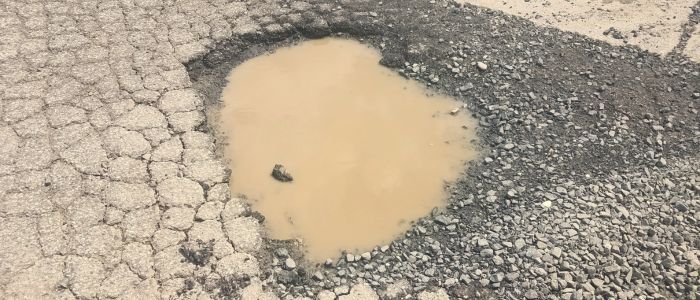
Standing Water = Structural Damage: The Parking Lot Drainage Problem Destroying Asphalt
After a heavy rain, a puddle in your parking lot might not seem like a big deal.
But standing water is one of the fastest ways asphalt begins to fail.
What looks like a minor drainage issue is often a warning sign of deeper structural problems forming beneath the surface. If water is allowed to sit on asphalt, it slowly penetrates cracks, weakens the base layers, and accelerates pavement deterioration. Over time, that small puddle can turn into cracks, potholes, and expensive repairs.
For property owners and facility managers, understanding parking lot drainage problems early can prevent thousands of dollars in damage.
Let’s look at why standing water is so destructive and what you can do about it.
WHY STANDING WATER IS SO DANGEROUS FOR ASPHALT
Asphalt is durable, but water is its biggest enemy.
When water sits on the surface of a parking lot for extended periods, it begins working its way into small cracks and joints. Once inside the pavement structure, it starts weakening the base layer that supports the asphalt.
Over time, this leads to several common issues:
1. Cracking
Water infiltrates tiny fractures and expands them, especially when temperatures fluctuate.
2. Potholes
As the base weakens, traffic pressure causes sections of asphalt to collapse.
3. Surface erosion
Water slowly wears down the top layer of asphalt.
4. Structural failure
In severe cases, the foundation beneath the asphalt becomes unstable.
Standing water essentially speeds up the entire pavement failure process.
SIGNS YOUR PARKING LOT HAS DRAINAGE PROBLEMS
Not every parking lot drainage problem is obvious at first, but there are several warning signs property owners should watch for. One of the most common indicators is water that remains on the surface 24 to 48 hours after rainfall, which usually means the lot is not draining properly. Repeated potholes forming in the same area can also signal that water is collecting beneath the pavement and weakening the base. In addition, low spots or surface depressions often trap water and tend to worsen over time as the asphalt settles.
Another red flag is cracks that spread quickly, since water infiltration accelerates the expansion of pavement damage. In many cases, pooling water is the first visible sign that drainage is failing and that asphalt deterioration has already begun beneath the surface.
WHAT CAUSES STANDING WATER IN PARKING LOTS?
Several factors can lead to parking lot drainage problems.
Improper slope or grading
Parking lots should be designed to direct water toward drainage points. If the slope is incorrect, water has nowhere to go.
Clogged drains or catch basins
Debris buildup can block drainage systems and cause water to pool.
Sub-base failure
If the base layer beneath the asphalt weakens or shifts, the surface may settle and create low spots.
Aging pavement
Over time, heavy traffic and weather conditions can change the surface grade and affect drainage.
In many cases, standing water is not just a surface problem. It often indicates structural changes happening underneath the pavement.
HOW TO FIX STANDING WATER IN A PARKING LOT
Fixing standing water in a parking lot starts with identifying the cause of the drainage problem. In some cases, crack sealing is enough to prevent water from entering the pavement structure and weakening the base layers beneath the asphalt. If low spots or surface depressions are causing water to collect, targeted asphalt patching can restore the surface and eliminate pooling areas. When the issue is related to improper slope or grading, resurfacing the asphalt may be necessary to reestablish proper water flow across the lot.
In other situations, the problem lies with the drainage system itself, and installing or repairing catch basins, trench drains, or drainage pipes can help redirect water away from the pavement. Addressing drainage issues early not only removes standing water but can also significantly extend the lifespan of the asphalt and reduce the likelihood of costly structural repairs.
WHY FIXING DRAINAGE EARLY SAVES MONEY
Parking lot drainage issues rarely fix themselves.
Small drainage problems often lead to:
frequent pothole repairs
larger asphalt failures
costly resurfacing projects
potential safety hazards for customers
Addressing drainage early is usually far less expensive than replacing a damaged parking lot later.
Think of drainage as insurance for your asphalt investment.
PROTECT YOUR ASPHALT BEFORE WATER DOES PERMANENT DAMAGE
A well-maintained parking lot should shed water efficiently. If your property regularly has puddles or standing water, it’s time to investigate the cause. Ignoring drainage problems allows water to continue weakening the structure of your pavement. But with proper inspection and maintenance, most drainage issues can be corrected before they turn into major repairs. And when it comes to asphalt, preventing water damage is always easier than rebuilding what it destroys.
Call or text BlakRoc at (208) 409-8007. Serving Boise, Meridian, Nampa, Eagle & the surrounding Treasure Valley.
If you haven’t already, follow us on Instagram for more asphalt content!