
How to Prevent Small Cracks from Becoming Giant Potholes
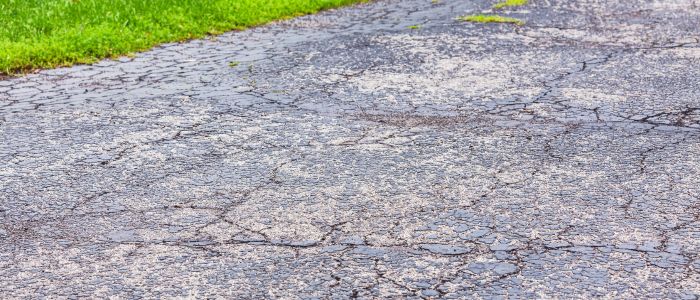
At first, it looks harmless. A thin crack running across your asphalt. Easy to overlook. Easy to assume it can wait. But asphalt doesn’t fail all at once. It breaks down gradually, and that small crack is often the first visible sign that something deeper is already happening. Left alone, it won’t stay small for long.
WHAT'S REALLY HAPPENING BENEATH THE SURFACE
A crack is more than a surface flaw. It’s an opening. Once that opening forms, water begins to seep into the layers beneath your asphalt. From there, the damage accelerates quietly. The base weakens. The structure starts to shift. And when temperatures fluctuate, especially in freeze-thaw conditions, that trapped moisture expands and contracts, forcing the asphalt apart. This is how a simple crack evolves into a pothole.
By the time a pothole appears, the foundation has already been compromised. What you’re seeing on the surface is just the final stage of a much larger problem.
WHY WAITING IS THE MOST EXPENSIVE OPTION
Many property owners take a wait-and-see approach. The damage doesn’t look urgent, so it gets pushed down the priority list. But asphalt deterioration doesn’t pause. It compounds.
A small crack that could have been sealed quickly and affordably turns into a larger repair. Then a patch. Then, in some cases, a full section replacement. What started as a minor maintenance item becomes a disruptive and costly project.
The earlier you act, the more control you have over both the outcome and the cost.
HOW TO STOP CRACKS BEFORE THEY SPREAD
Preventing potholes isn’t about reacting quickly. It’s about acting early and consistently.
Start with regular inspections. Walk your property a couple of times a year and pay attention to early signs of wear. Cracks, even small ones, are your signal to step in before damage spreads.
Crack sealing is one of the most effective tools you have. It closes off the entry point, preventing water and debris from getting below the surface. Done at the right time, it can significantly extend the life of your pavement.
Water management also plays a critical role. If water is sitting on your asphalt after a storm, it’s not just an inconvenience. It’s a threat. Addressing drainage issues protects the entire structure, not just the visible surface.
Sealcoating adds another layer of protection. It helps shield your asphalt from moisture, UV exposure, and everyday wear, keeping it flexible and less prone to cracking over time.
THE SMALL ACTIONS THAT MAKE THE BIGGEST DIFFERENCE
If you focus on just a few key habits, you can dramatically slow down asphalt deterioration:
Seal cracks as soon as they appear
Keep water from pooling on the surface
Stay consistent with sealcoating every few years
Address minor damage before it spreads
These aren’t major overhauls. They’re simple, strategic actions that protect your pavement long term.
PROTECT YOUR ASPHALT BEFORE IT TURNS AGAINST YOU
Potholes don’t show up overnight. They develop because small problems were left unattended for too long. The good news is, most of them are preventable. When you take a proactive approach, you’re not just fixing cracks. You’re preserving the strength, appearance, and lifespan of your entire surface.
And in the end, that’s what asphalt maintenance is really about. Not reacting to failure, but preventing it altogether. If you’re starting to see cracks form, now is the time to act. A simple repair today can save you from a major headache tomorrow.
Call or text BlakRoc at (208) 409-8007. Serving Boise, Meridian, Nampa, Eagle & the surrounding Treasure Valley.
If you haven’t already, follow us on Instagram for more asphalt content!