
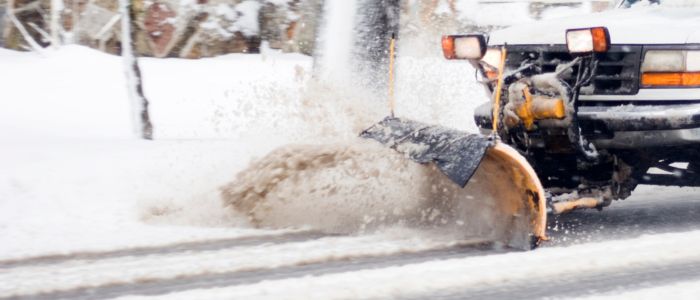
Does Asphalt Rejuvenation Protect Against Snow Plow Damage?
What Property Owners in Cold Climates Should Really Know
Every winter, the same debate pops up: “If I get my asphalt rejuvenated, will it actually help against snowplow damage?”
It’s a fair question, especially in places where winter hits hard and plowing is constant. The short answer is yes, rejuvenation does help your pavement resist winter wear. But the why behind that answer is where the real value is.
Why Plows Damage Asphalt in the First Place
Most plow damage is blamed on the blade, but plows usually just expose the weaknesses that were already there. Brittle pavement chips. Dry surfaces peel. Tiny cracks become places where the blade can catch and tear at the surface.
If asphalt is already oxidized, stiff, or aging, winter just accelerates the problem and makes every pass of the plow feel like a gamble. That’s where rejuvenation changes the story.
What Rejuvenation Really Does (and Why It Helps in Winter)
A good asphalt rejuvenator isn’t a cosmetic coating. It restores the flexibility and oils the pavement has naturally lost over time. If you think of old asphalt like dry, cracking leather, rejuvenation is more like conditioning it; it becomes smoother, more resilient, and far less likely to break under stress.
When asphalt is flexible, it absorbs the small impacts of plow blades instead of fracturing. When the surface is healthier and less brittle, the blade glides over it instead of digging in. And when rejuvenation reduces surface cracking, there are fewer “catch points” for the plow to grab.
The result isn’t plow-proof asphalt; nothing is plow-proof, but rejuvenated asphalt is undeniably tougher and more forgiving in harsh winter conditions.
What Rejuvenation Won’t Do
Rejuvenation isn’t a forcefield. A metal blade scraping too low will still scrape. A lot with drainage issues will still develop ice pockets. And if your asphalt is already structurally failing underneath, no surface treatment is going to save it from winter.
Rejuvenation strengthens the surface; it doesn’t fix problems beneath it. But in terms of everyday winter abuse? It absolutely helps your pavement survive it with less damage.
Why It Matters Even More in Snow States
In cold regions, asphalt ages faster because it goes through freeze–thaw cycles, heavy plowing, and deicer chemicals. Anything you can do to preserve flexibility and slow down surface oxidation gives your lot a much better chance of making it through winter without:
New cracks
Surface raveling
Peeling from plow blades
Premature wear in high-traffic lanes
Think of rejuvenation as part prevention, part insurance: it extends the life of your pavement and reduces the chances of winter giving you a spring full of repair bills.
So, does Rejuvenation Protect Against Plow Damage?
Yes. Not because it coats your pavement in armor, but because it restores what the pavement needs to resist winter stress in the first place: flexibility, durability, and surface integrity.
If your asphalt is already starting to stiffen or turn gray, rejuvenation is one of the smartest steps you can take before the snow starts piling up.
If you haven’t already, follow us on Instagram for more asphalt content!