
5 Signs Your Asphalt Needs Rejuvenation (Not Replacement)
If your parking lot is looking gray, cracked, and worn out, your first instinct might be to assume you need a full replacement. Before you spend $3–7 per square foot tearing everything out, take a closer look. In many cases, asphalt rejuvenation is all your pavement needs, and it costs a fraction of full replacement.
At BlakRoc Asphalt Maintenance, we assess parking lots across Boise and the Treasure Valley every day. The most common thing we tell property managers? You don't need to replace it. Here are the five signs that rejuvenation, not replacement, is the right call for your lot.
WHAT IS ASPHALT REJUVENATION?
Before we get into the signs, it helps to understand what asphalt rejuvenation actually does.
Asphalt pavement is held together by a binder called bitumen, which contains natural oils that keep the surface flexible, strong, and dark in color. Over time, UV rays and oxygen strip those oils away through a process called oxidation. The result is pavement that looks gray and chalky, feels brittle, and cracks under normal traffic and temperature changes.
Asphalt rejuvenation works by penetrating the pavement surface and restoring those essential oils from the inside out. It brings back flexibility, slows future oxidation, and restores the dark color that tells you the binder is doing its job. For pavement that is oxidized but structurally sound, it is one of the most cost-effective maintenance treatments available.
Sign 1: Your Pavement Has Turned Gray or Chalky
The most visible sign that your asphalt needs rejuvenation is color. Fresh asphalt is deep black. As oxidation sets in, it fades to dark gray, then light gray, and eventually takes on a chalky, washed-out appearance.
This color change is not cosmetic; it is a direct indicator that the binding oils have been depleted. Gray asphalt is brittle asphalt. It has lost the flexibility it needs to handle Boise's temperature swings and daily traffic loads without cracking.
If your lot has gone gray but is otherwise intact, asphalt rejuvenation can restore the binder and significantly extend the life of your pavement without replacement.
Sign 2: You Have Minor Surface Cracks, But They Are Isolated
Surface cracking is a normal part of asphalt aging. Hairline cracks and minor surface crazing develop as the binder dries out and the pavement loses flexibility. The key question is: how widespread is the cracking, and how deep does it go?
If the cracks on your lot are shallow, isolated to specific areas, and have not spread into large connected sections, your sub-base is likely still intact. This type of cracking, sometimes called surface crazing or shrinkage cracking, is a rejuvenation and crack fill candidate, not a replacement candidate.
A professional pavement assessment from a company like BlakRoc will identify whether your cracking is surface-level or a sign of deeper base failure. The difference determines everything about the right treatment and the cost.
Sign 3: No Alligator Cracking or Large Connected Fractures
Alligator cracking, the pattern of interconnected cracks that looks like reptile scales, is the warning sign that rejuvenation cannot fix. This type of cracking indicates that the sub-base beneath your asphalt has failed and can no longer support the load being placed on it.
If your lot has isolated surface cracks but no large sections of alligator cracking, that is a strong indicator that your base is still sound. Sound base means rejuvenation is a viable, long-lasting solution.
Commercial parking lot maintenance in Boise means knowing this distinction. At BlakRoc, we will always tell you honestly which category your pavement falls into — because treating alligator cracking with rejuvenation is money wasted, and replacing structurally sound pavement is money unnecessarily spent.
Sign 4: The Pavement Feels Firm and Solid Underfoot
One of the simplest tests you can do right now costs nothing. Walk your parking lot. Pay attention to how the pavement feels beneath your feet.
Structurally sound asphalt feels firm and stable. There is no flex, no bounce, and no soft spots where the surface moves or sinks slightly under your weight. If your lot feels solid from one end to the other, your base is intact.
Soft spots, areas that flex underfoot, or sections that feel spongy are signs of sub-base moisture damage or base failure, conditions that require more than rejuvenation. But if your lot passes the walk test and shows only surface oxidation and minor cracking, pavement rejuvenation service is likely all you need.
Sign 5: Your Pavement Is 5–15 Years Old With No Major Repairs
Age and maintenance history are important contexts for any pavement assessment. Asphalt that is between 5 and 15 years old and has been reasonably maintained — regular sweeping, minor crack repairs, no major structural events is the ideal candidate for rejuvenation.
At this stage, oxidation has set in, and the surface has likely faded, but the sub-base has not yet been compromised by years of water intrusion or load stress. Rejuvenation at this point in the pavement life cycle delivers the best return on investment and can add years of serviceable life before any major intervention is needed.
Boise's climate accelerates asphalt oxidation over 200 sunny days per year, combined with hard freeze-thaw winters, which means pavement here ages faster than in milder climates. Proactive asphalt maintenance in Boise is not just smart, it is the difference between a lot that lasts 20+ years and one that needs replacement in 10.
WHAT HAPPENS DURING A PROFESSIONAL ASPHALT REJUVENATION SERVICE?
When BlakRoc performs an asphalt rejuvenation service at your Boise or Treasure Valley property, the process typically includes:
Lot sweeping — The surface is cleared of all debris, sand, and loose material to allow the rejuvenating agent to penetrate properly.
Crack filling — Any existing surface cracks are cleaned and filled before treatment to prevent water intrusion.
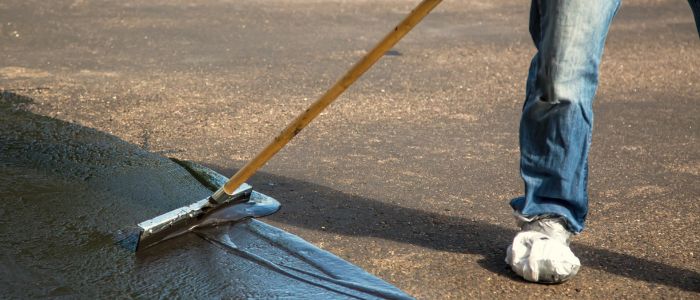
Rejuvenator application — The rejuvenating agent is applied evenly across the pavement surface, where it penetrates and restores the binding oils.
Cure time — The lot is closed briefly while the treatment cures and bonds to the existing asphalt.
The result is pavement that is darker, more flexible, and significantly more resistant to future cracking, without the disruption and cost of a full tear-out and repave.
REJUVENATION VS. REPLACEMENT: THE COST COMPARISON
The financial case for rejuvenation, when the pavement qualifies, is straightforward.
Full asphalt replacement typically runs $3–7 per square foot for commercial parking lots, depending on lot size, existing conditions, and market pricing. A mid-size commercial lot of 20,000 square feet can easily run $60,000–$140,000 to replace.
Professional asphalt rejuvenation costs a fraction of that, and when performed on the right pavement at the right time, it can extend the life of your lot by years before replacement becomes necessary.
The key phrase is the right pavement at the right time. That is why a professional assessment matters. At BlakRoc, we provide free pavement assessments for commercial properties across Boise and the Treasure Valley so you can make an informed decision, not one based on assumptions or unnecessary urgency.
GET A FREE PAVEMENT ASSESSMENT FROM BLAKROC
If your parking lot is showing any of the five signs above, the next step is a professional eye on the ground, not a replacement quote.
BlakRoc Asphalt Maintenance serves commercial properties, HOAs, and property managers across Boise, Meridian, Nampa, Eagle, and the greater Treasure Valley.
Call or text BlakRoc at (208) 409-8007. Serving Boise, Meridian, Nampa, Eagle & the surrounding Treasure Valley.
If you haven’t already, follow us on Instagram for more asphalt content!